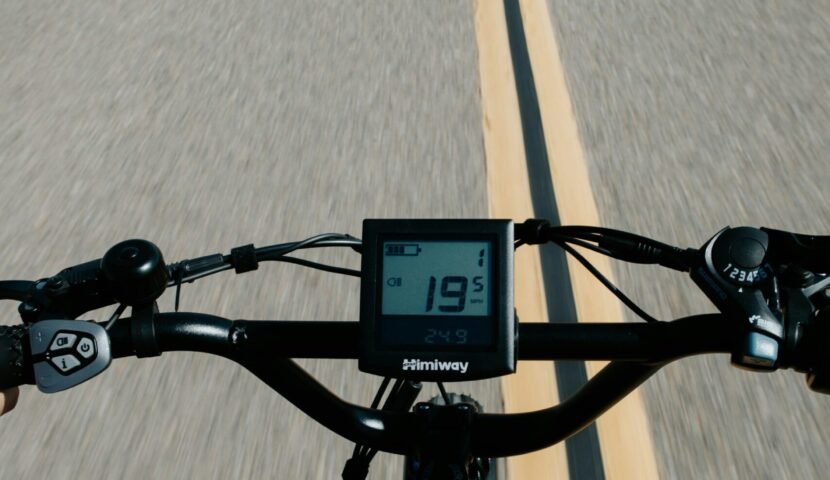

Choosing the right electric bike battery affects riding range, charging time, vehicle weight, performance and long-term maintenance. In Pakistan, lithium batteries are becoming an increasingly popular choice for electric bikes and other electric vehicles.
Lithium Battery vs Lead Acid Battery
Lead-acid batteries are familiar and relatively inexpensive, but they are heavier and can require more maintenance. A modern lithium battery, including lithium-ion and LiFePO4 technology, can provide a strong balance of weight, usable energy, charging performance and cycle life.
Weight and Energy Density
Lithium batteries typically provide more usable energy for their weight than traditional lead-acid batteries. Lower battery weight can help an electric bike feel more responsive.
Charging
A correctly matched lithium battery and charger can provide convenient charging for daily commuting. Charging time depends on battery capacity, charger output and the battery’s specifications.
Battery Life
Battery lifespan depends on chemistry, cell quality, depth of discharge, temperature and charging habits. LiFePO4 batteries are particularly known for strong cycle-life characteristics when properly operated.
Why BMS Matters
A quality lithium battery pack should include an appropriate Battery Management System (BMS) to monitor cells and help protect against overcharge, over-discharge, over-current and temperature-related conditions.
Which Battery Should You Choose?
The correct battery depends on the motor, controller, required range, voltage, available space and budget. Magnus Batteries manufactures lithium battery solutions for electric bikes and electric cycles with configurations selected according to application requirements.
Final Thoughts
If you want a modern, lightweight and low-maintenance power solution, a properly designed lithium battery can be an excellent option for an electric bike. Always match the battery, BMS, charger and controller specifications before installation.